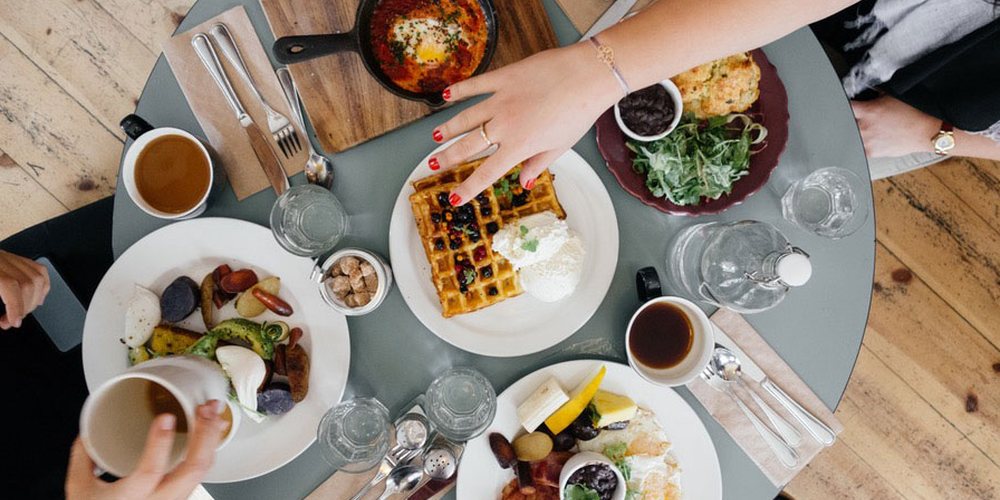
In busy households, meals are often eaten in the car, at a desk or in front of a screen. Yet sitting down together, even a few times a week, is one of the simplest ways to support the health of everyone at home. Shared meals tend to include more fruit and vegetables, encourage slower eating and give families a regular moment to talk, laugh and reconnect.
Better food, naturally
Meals cooked and shared at home usually contain more vegetables, whole grains and fresh ingredients, and less salt, sugar and fried food than takeout. Children who eat with their families learn by example, trying new foods when they see adults enjoying them.
A calmer mind at the table
Eating together gives everyone a break from screens and busy schedules. Talking about the day helps children and adults feel heard and supported. Families who share meals often report less stress, better moods and stronger bonds.
Keep it simple and joyful
A family meal does not need to be fancy. A simple soup, a big salad or a tray of roasted vegetables with grains is perfect. Breakfast or weekend lunch counts too. Invite everyone to help, from washing vegetables to setting the table, so the meal feels shared.
The family table feeds more than the body. It nourishes the way we connect, listen and grow together.
Ideas for happier family meals
Small steps that make shared meals easier to keep up:
- Choose a few regular meal times that suit everyone
- Put phones away and turn off the television
- Let children pick and help prepare one dish
- Serve water and fruit instead of sugary drinks
- Ask open questions and enjoy the conversation
If a child is a picky eater, keep offering new foods in small portions alongside favorites, without pressure. It can take many tries before a new taste feels familiar.
Our team cares for families at every stage of life. If you would like guidance on nutrition for children, busy parents or older relatives, book a family wellness visit with us.